
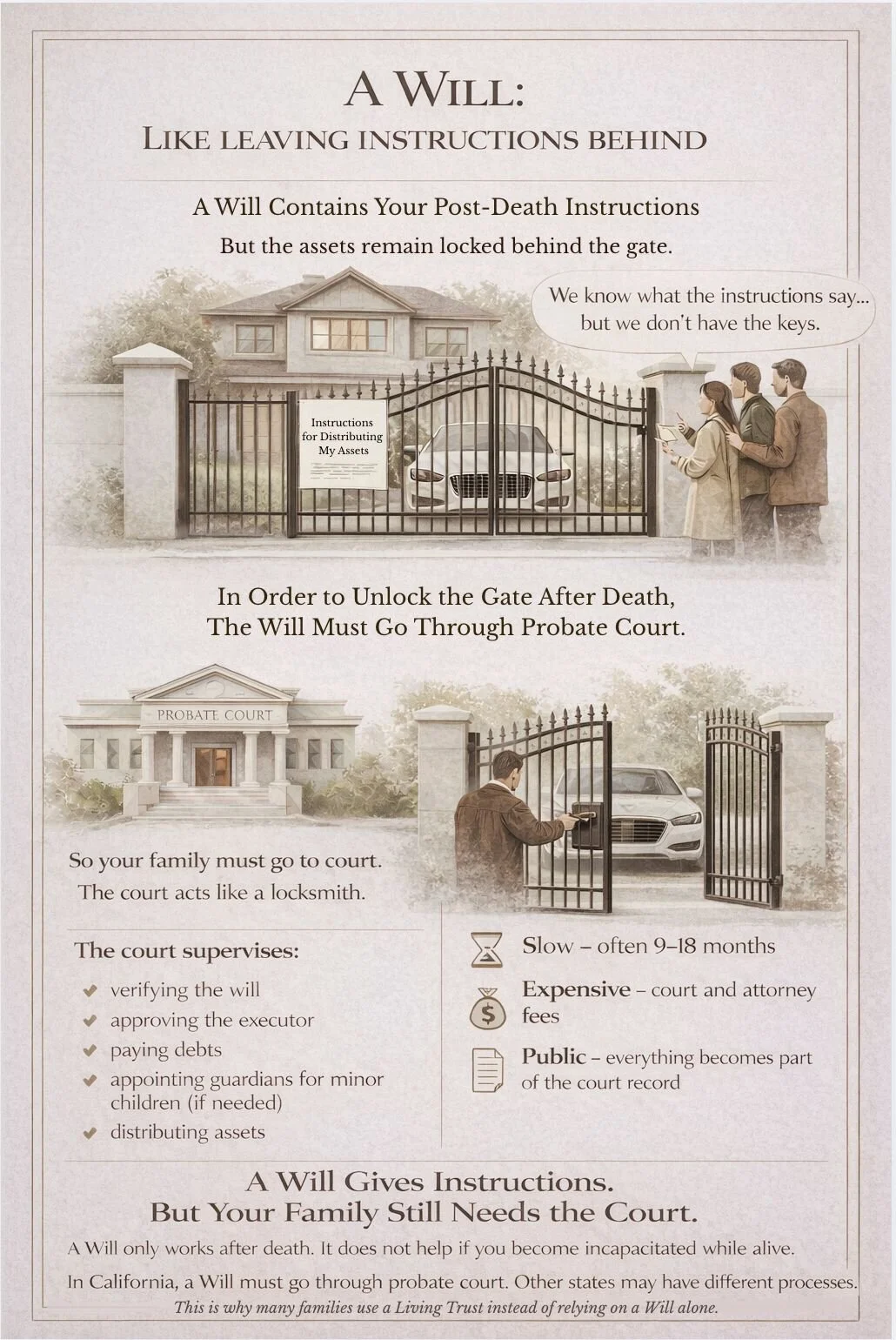
The Misconception of What a Will Actually Does
It All Begins Here
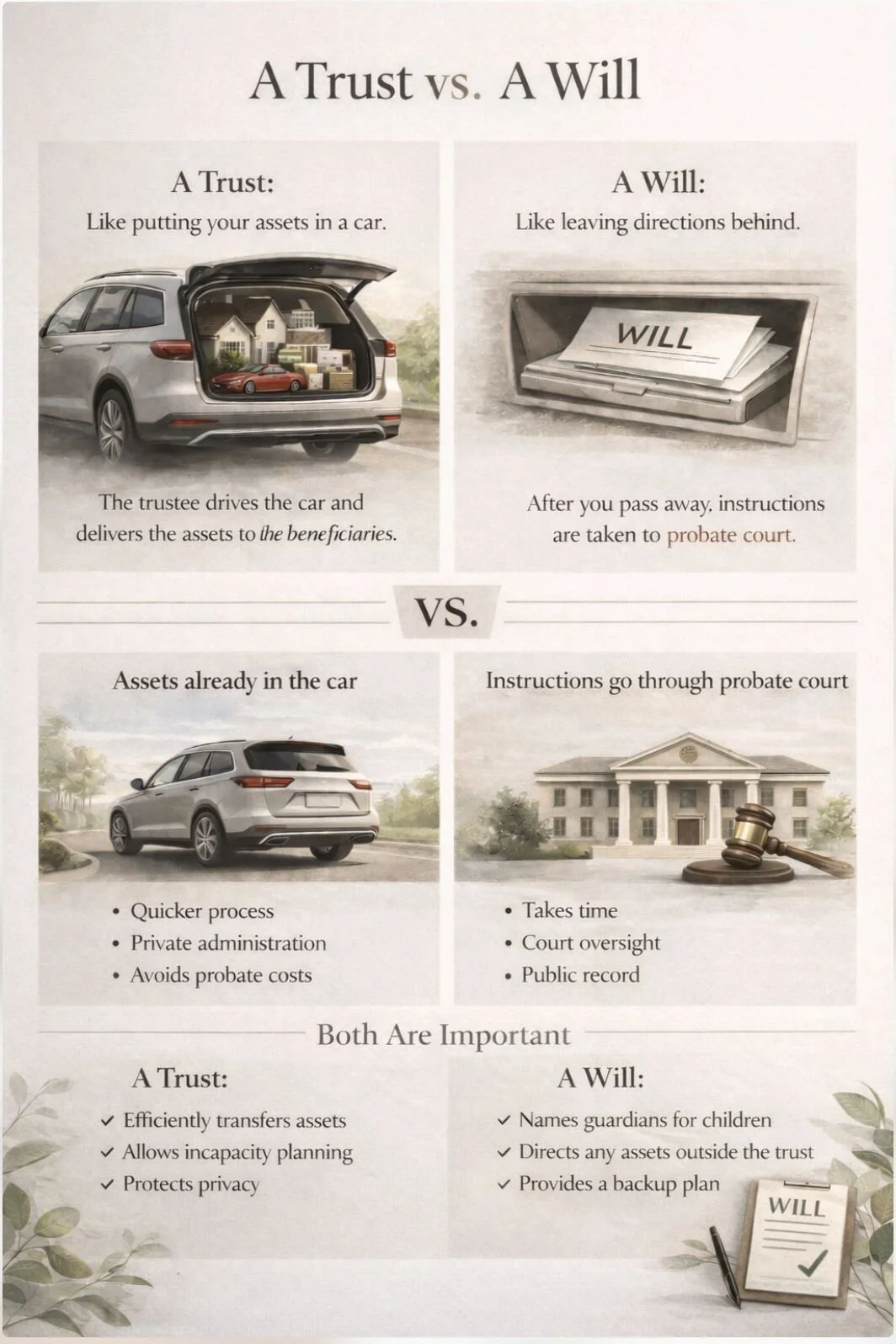
A Trust vs A Will
A Trust vs. A Will
Last week’s post compared a trust to a car that carries assets to beneficiaries.
It helped convert what could be an abstract concept into something actually straightforward and clear.
So the next question naturally becomes...What about a will?
A will leaves instructions about where assets should go. But before those instructions are carried out, the estate usually passes through probate court.
In California, this process is particularly formal and can be quite time-consuming and costly.
This visual demonstrates how the two work differently, and why many California estate plans use both to ensure a smoother transition.
The goal isn’t just to have the documents. It’s to ensure the route is planned before the journey begins.
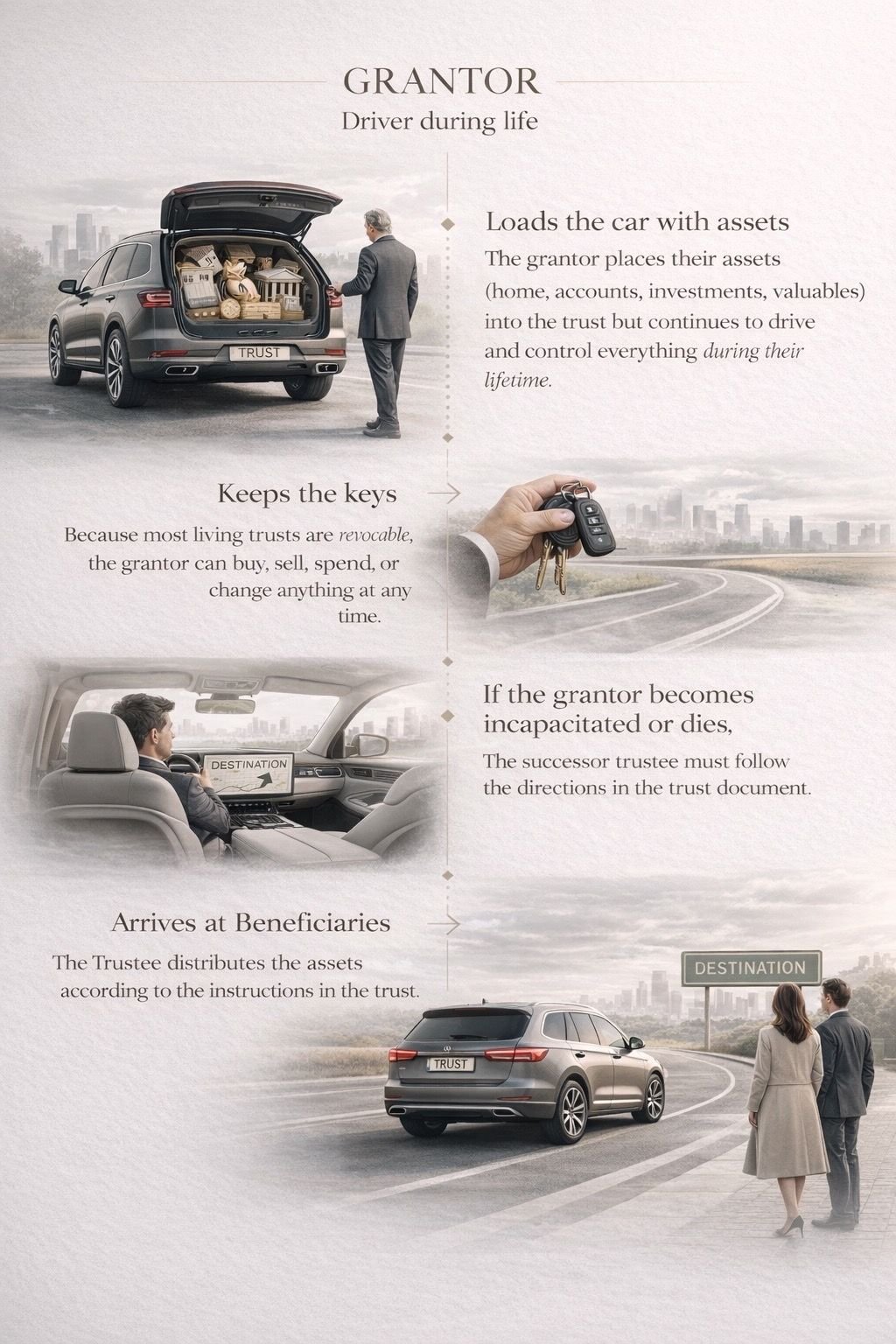
A Simple Way To Understand How a Living Trust Works.
A Simple Way To Understand How a Living Trust Works.
Many people assume that creating a trust means giving up control of their assets. In reality, most living trusts are revocable, which means the grantor remains fully in control during their lifetime.
One way to think about it is like a car.
You load the car with your assets; your home, accounts, investments, but you keep the keys and remain the driver. It’s your roadmap.
If something happens to you, the successor trustee takes the wheel and follows the instructions you left behind, delivering the assets to your beneficiaries according to your plan.
A properly structured trust can help families avoid probate and ensure a smoother transition when the time comes.
Estate planning is about planning the route before the journey begins.
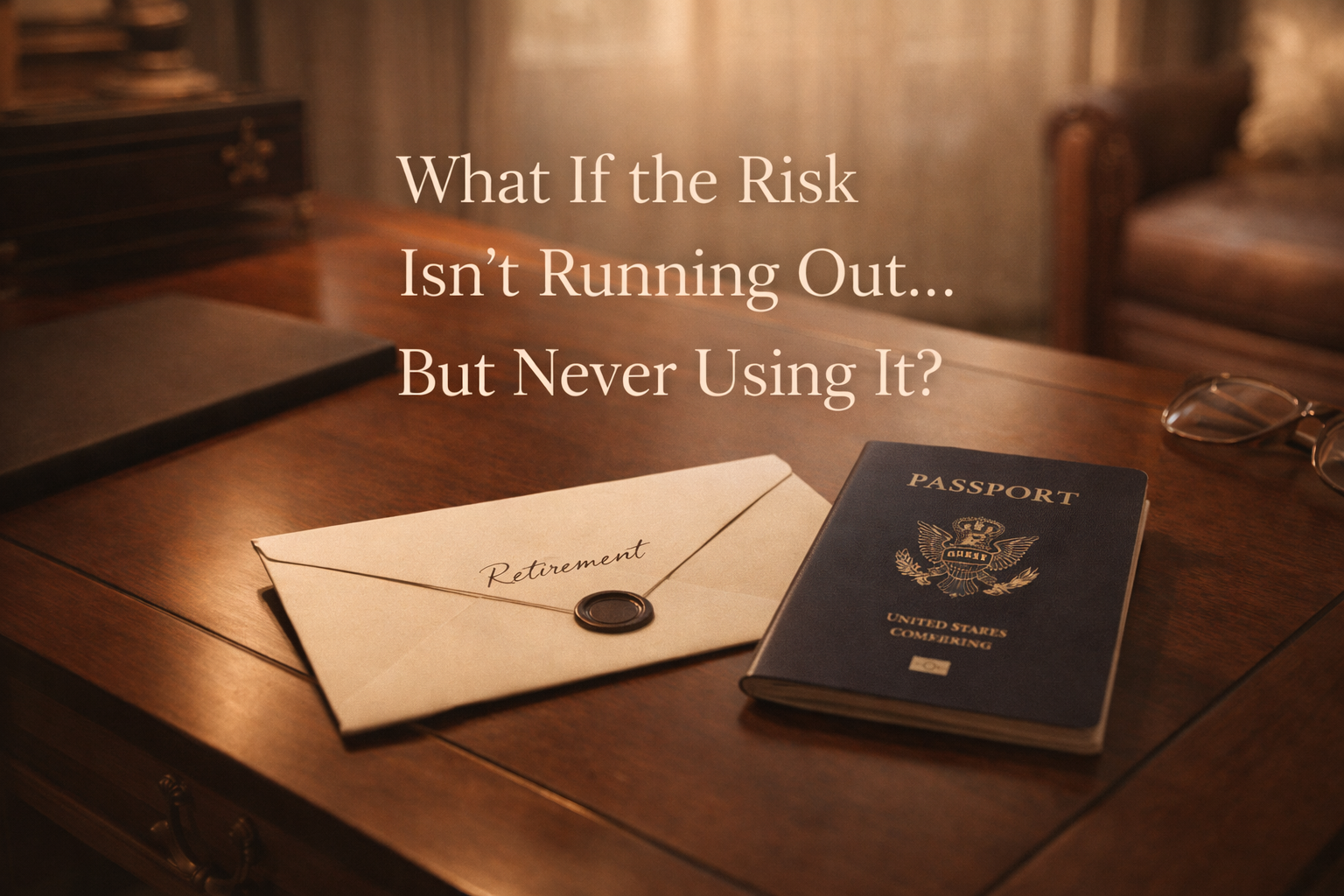
From Accumulation to Intention: A Plan for Using What You Built
Retirement is about more than just the math—it’s about the emotional shift from building to using what you’ve created. Learn how a clear estate plan provides the permission to spend with intention and dignity.

Choosing Who (and How Many) Will Handle Your Estate
Naming multiple people to handle your estate feels fair, but it often leads to delays and family friction. Learn why a single decision-maker is often the more intentional choice for your California estate plan.
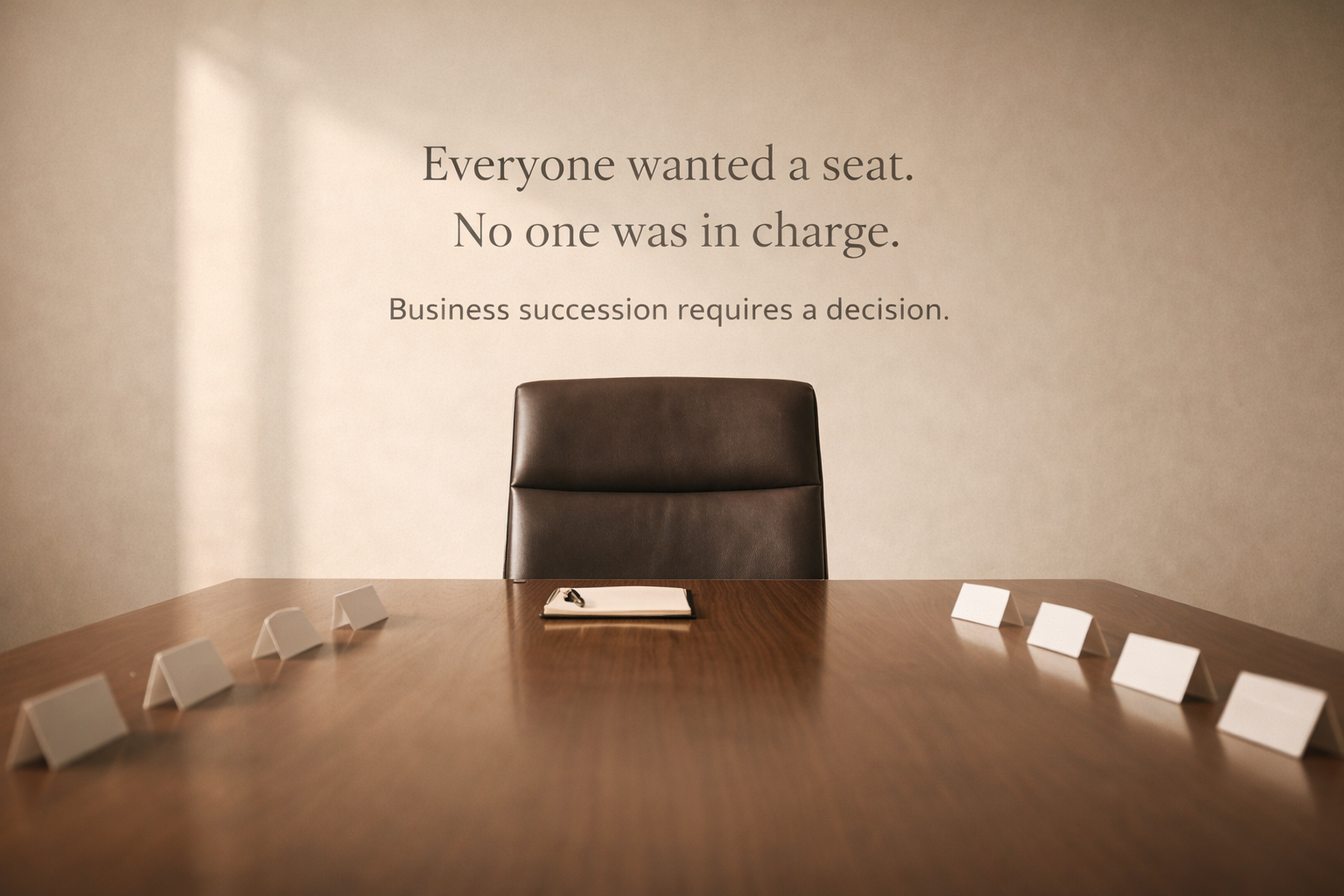
When 'Fair' is Fatal: Succession Lessons from the Bodmann Case.
Naming every child as a co-executor might feel fair, but the Bodmann case proves it can destroy a family business. Learn how to design an estate plan for continuity, not conflict.